

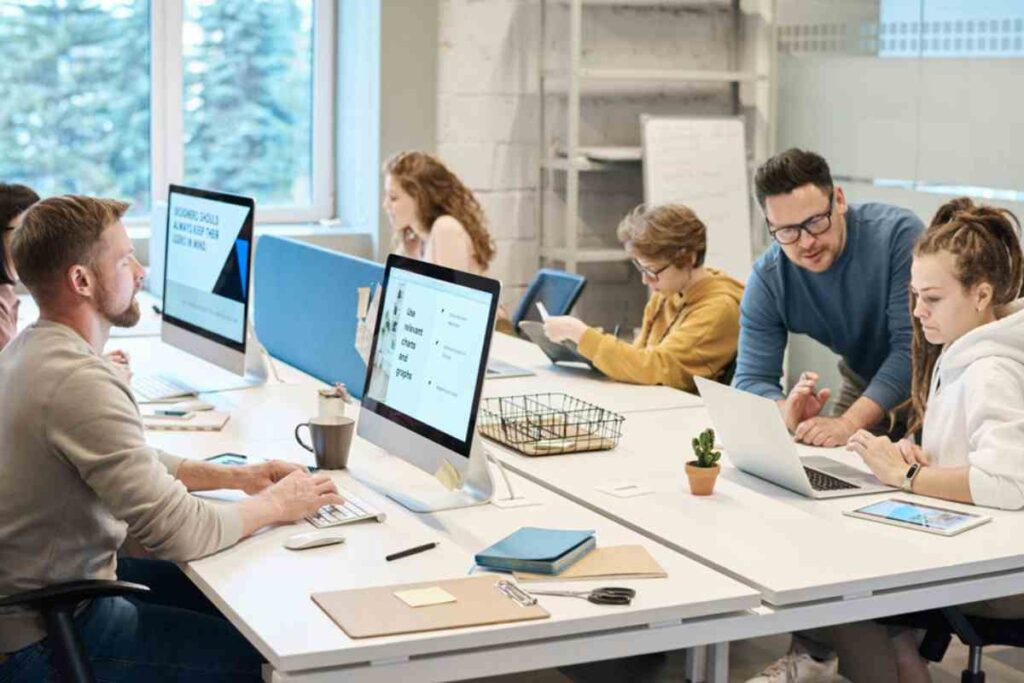
Work doesn’t look the same anymore. Some employees clock in from the office. Others sign on from home. This mix is called a hybrid setup. It’s flexible and convenient, but it can make managing people much harder.
Leaders still need to track what’s getting done. That’s where employee monitoring software becomes useful.
The Challenge of Hybrid Teams
In the past, managers could walk around the office. They could see who was focused and who wasn’t. Now, with part of the team working remotely, that’s no longer possible.
It’s not enough to check if someone is online. You need to know if actual work is happening. Just seeing a green dot next to someone’s name doesn’t say much.
That’s why many businesses turn to remote system monitoring software. track to helps what workers do during the day. It records time spent on tasks. It shows what apps are being used. Structure brings to a setup that can feel scattered.
What These Tools Keep an Eye On
Most employee monitoring programs track computer activity. They can log websites visited. They might track how long someone stays on a certain app. Some even take random screenshots or rate activity based on mouse clicks and typing.
The goal isn’t to spy. It’s to understand how people work when you can’t see them. That data can help you spot who’s struggling or who’s doing great.
In hybrid setups, this kind of info helps keep things fair. Office workers and remote workers both get held to the same standard.
Why Monitoring Helps, Not Hurts
People often think monitoring software is about control. But it’s really about insight. Managers need to see where time goes. Without data, they’re just guessing.
Let’s say someone’s falling behind on a task. Monitoring can show if they’re stuck, distracted, or just not logging in. That helps managers step in before things go too far.
It also helps employees stay on track. Many people like having a routine. Knowing their work is being tracked can keep them focused—especially at home, where distractions are everywhere.
Respecting Privacy in the Process
Some employees worry about privacy. That’s fair. But modern tools allow balance. They can be set up to monitor only during work hours. Most can skip over personal files or non-work activities.
It’s important to tell your team what’s being tracked. Be clear about why you’re using the tool. Let them ask questions. When people know what’s happening, they’re more likely to be okay with it.
Some companies even let employees see their own data. That adds transparency and can encourage better work habits too.
Fixing Issues Before They Get Worse
Monitoring isn’t just for checking hours. It’s also useful for spotting early warning signs. Maybe someone always starts late. Maybe another person is online but not working on anything important.
These patterns often go unnoticed in hybrid setups. Monitoring tools bring them to light. That gives managers a chance to check in. Maybe the person needs help. Maybe they’re burned out.
Finding these subjects early can stop them from turning into bigger problems.
More Accurate Reviews and Feedback
When it’s time for evaluations, memory isn’t enough. Managers can forget what really happened. With monitoring software, you get records to back things up.
You can see how much time was spent on different tools. You can find patterns in how tasks are handled. That helps managers give more accurate and fair feedback.
It also helps recognize hard work. Someone might be doing an amazing job but isn’t vocal about it. Their data speaks for them.
Choosing a Tool That Fits
There’s no one-size-fits-all solution. Some tools are simple and focus on time tracking. Others offer deep analysis with heatmaps, screenshots, and reports. Before picking one, think about what your team needs.
Make sure the software works on both office and remote devices. It should run quietly in the background without slowing things down. It should also keep data secure.
Try a test run with a small group. Ask for feedback. If the tool causes frustration, look for a better one. The goal is to help, not annoy.
Final Thoughts
Hybrid work isn’t going away. Teams need structure, even when they’re spread out. Employee monitoring software helps provide that structure.
It’s not about being strict. It’s about staying informed. Managers get the data they need. Employees know what’s expect. The result is a smoother workflow—whether your team is across the hall or across the city.