


Useful Advice Wutawhelp: “Your Home Guide” by WhatUTalkingBoutWillis isn’t just another repair manual dusting off a shelf. It’s a practical guide that transforms active homeowners into prudent owners who save money, prevent disasters, and truly enjoy taking care of their most valuable investment.
When I bought my house twelve years ago, I thought housekeeping was mowing the lawn and maybe changing a light bulb now and then. How wrong I was! That first winter taught me a lesson I’ll never forget: I had frozen pipes, the boiler stopped working, and a slight drop in the roof turned into a $3,200 repair. That’s when I realised that every homeowner needs a detailed guide beyond the simple stuff.
The Hidden Economics of Home Maintenance Nobody Talks
Most homeowners approach maintenance incorrectly. They wait for something to break and then rush to fix it. According to the National Association of Home Builders, the average homeowner devotes about $2,000 a year on emergency repairs, although that money could be cut in half with proper preventative maintenance.
The traditional 1% rule suggests annually setting aside 1% of the home’s value for maintenance. But most guidelines are silent on this: this Rule is outdated and doesn’t consider the age of your systems or regional climatic conditions. A more precise approach takes into account the specific needs of your home.
Real-World Maintenance Investment Analysis
Below are insights from three real-world owners who have implemented systematic approaches to maintenance:
Sarah’s Story (15-year-old home, Northeast climate):
- Annual maintenance budget: $1,800
- Emergency repairs for 5 years: $950
- Total savings compared to the reactive approach: $6,750
Mike’s Experience (8-year-old home, Southwest climate):
- Annual maintenance budget: $1,200
- Prevented serious system failures: 2
- Estimated savings: $4,500
The regularity is apparent. Owners who follow structured maintenance protocols spend about 60% less on repairs over five years than those who prefer to wait and see what comes of it.
Your insurance company knows this, too. Many insurers now offer discounts for documented preventative maintenance, especially for HVAC and plumbing systems. For example, State Farm offers discounts of up to 5% for homes with regular maintenance records. Considering that the average insurance premium for homeowner’s insurance is $1,383 per year, that’s not a small amount.
Building Your Home Maintenance Foundation That Works
The Smart Homeowner’s Essential Toolkit
Forget about the standard tool lists you see everywhere. Over the years of working at home, I’ve learned that having the right tools means they need to be multifunctional and practical. Here’s what every homeowner should have in their arsenal:
Multi-use essentials:
- Divorce Key Set (eliminates the need to use multiple fixed keys)
- Cordless Drill with Bit Set (covers 80% of all required attachments)
- Digital multimeter (needed for the diagnosis of electrical faults)
- Inspection camera with flexible cable (saves diagnostic time)
- Vacuum cleaner for dry and wet cleaning (for cleaning and elimination of minor problems with sewerage)
Quality is more important than quantity. A $40 divorce wrench that will last twenty years is better than five cheap ones that will break in a few months. Harbour Freight tools are suitable for infrequent use, but it’s best to acquire tools from well-known brands if you’ll use them frequently.
Digital tools that enhance maintenance tracking:
Modern home care is no longer limited to physical tools. Smart homeowners use technology to maintain order and avoid oversights. Apps like HomeZada or simple spreadsheet systems help track maintenance schedules, warranty information, and the cost of repairs. The key is to choose something you will use regularly.
Revolutionary Organisation Strategies for Real Homes
Traditional space organisation advice assumes you live in the pages of magazines, having unlimited time and budget. Real families need strategies that fit tight schedules and real family life.
The Psychology Behind Sustainable Organisation
Most organisational systems fail because they resist human nature rather than work with it. The 15-Minute Rule uses psychology to form long-term habits; instead of arranging gruelling weekend marathons, set aside fifteen minutes each day for a specific area useful advice wutawhelp .
This approach works because it doesn’t cause stress and builds momentum. After two weeks, these fifteen-minute sessions become automatic. After a month, you start noticing organisational opportunities throughout the dayuseful advice wutawhelp.
Storage Solutions That Don’t Sacrifice Style (Useful Advice Wutawhelp)
Effective home organisation requires storage systems that blend harmoniously into the living space. Wall shelves do double duty: simultaneously providing storage and displaying what you need. Door organisers allow you to make the most of unused space without changing walls.
The zoning system turns huge spaces into manageable projects. Your kitchen becomes a zone for food preparation and utensil storage. Each zone is optimised independently, making progress seem achievable rather than insurmountable.
Vertical storage systems usually provide maximum effect with minimal investment. A $30 wall mirror creates more useful counter space than expensive organiser cabinets. Hanging shelves transform empty wall space into valuable storage space.
Plumbing Mastery: Beyond Basic Fixes
The Hierarchy of Plumbing Problems
Not all plumbing problems require immediate attention, but knowing which ones do can prevent severe damage to your home. Water flowing where there is none is an emergency. Everything else usually requires careful planning and execution.
Most homeowners panic at the first signs of plumbing problems, but a systematic approach allows you to avoid costly mistakes. Faucet dripping at night? It prevents mineral buildup, which can subsequently lead to more serious problems. A completely clogged faucet usually indicates more serious problems than one that drips occasionally.
Professional-Grade Natural Solutions
Everyone knows the baking soda and vinegar trick works, but professional plumbers have better methods. For a severe clog, try the following sequence: remove as much stagnant water as possible, pour a cup of baking soda into the gutter, then a cup of white vinegar, tightly cover the drain with a damp cloth for 30 minutes, and then rinse with the hottest water possible.
This method works because the reaction creates pressure that pushes waste through the system. Commercial drain cleaners usually exacerbate the problem by partially dissolving clogs that then form again downstream.
Advanced DIY Techniques (Useful Advice Wutawhelp)
Identifying basic water supply shutoff valves saves precious minutes in emergencies. In most homes, separate shutoff valves and a main shutoff valve are installed for each appliance. The main shutoff valve is frequently located at the water pipe entry to the house, often in the basement or mezzanine.
Pipe maintenance significantly extends the life of the system. Thermal insulation of exposed pipes prevents freezing and reduces heat losses in hot water pipes. According to the Ministry of Energy, this simple solution can reduce water heating costs by 10–15%.
A quality cleanout and plumbing cable solves most common problems. But here’s what most manuals are silent about: every trigger works optimally in every situation. Flanged triggers are best for toilet bowls, while bowl triggers are best for sinks and bathtubs.
The Science Behind Home Climate Control
Your boiler and air conditioning system work harder than any other device in your home. According to the Energy Info Administration, air conditioning (HVAC) systems account for about 48% of vigor use in typical homes. Minor improvements in efficiency over time result in significant savings.
Air filters require monthly maintenance, not quarterly replacement like many owners. Dirty filters increase the strain on the system, increase energy consumption, and reduce equipment life. Replacing the filter for $5 a month allows you to avoid premature repair and system replacement costs that can cost hundreds of dollars.
Seasonal Transition Strategies
Most homeowners switch between heating and cooling modes without thinking about the strain it puts on their systems. Professional heating, ventilation, and air conditioning specialists recommend arranging transition periods when systems rest between seasons. This simple practice reduces mechanical strain and extends equipment life.
Outdoor units require regular maintenance beyond simple cleaning. The free space of 60cm around the condenser units improves airflow and efficiency. Bent ribs of condenser snakes reduce efficiency, even if seemingly small. A rib comb costs less than $10 and can quickly restore effectiveness.
Smart HVAC Maintenance Scheduling
Preventive maintenance prevents system malfunctions before they occur. Unusual noises, unstable temperatures, and increased power consumption often indicate developing problems. Timely identification of these signs allows emergency repairs to be avoided in extreme weather conditions.
Professional outings of maintenance specialists should be conducted before the start of the season, not during it. Schedule heater maintenance in early fall, rather than with the onset of the first cold wave. Air conditioner maintenance should occur in early spring, before the summer heat arrives.
Factors affecting indoor air quality go beyond replacing filters. The humidity level affects both the comfort and performance of the equipment. Whole-home humidifiers and dehumidifiers work with your heating, ventilation, and air conditioning system, maintaining optimal conditions and reducing system overload.
Electrical Safety: Power Without Peril
Modern Electrical Challenges
Older homes present special electrical issues that are often ignored in standard manuals. Electrical codes and regulations have changed significantly, but existing buildings adhere to previous standards. This doesn’t mean they’re unsafe, but it does mean they lack modern security features.
Ground fault protection (GFCI) outlets prevent electrical discharges by detecting a ground fault and instantly shutting off power. Modern building codes and regulations require the installation of ground-fault circuit interrupter (GFCI) outlets in bathrooms, kitchens, basements, and outdoor areas. Installing ground-fault circuit interrupters (GFCI) in older homes provides modern protection without needing a complete electrical upgrade.
Understanding Your Home’s Electrical System
An electrical panel diagram seems boring until you need it in an emergency. Clearly label each switch, indicating which rooms and appliances it controls. Update the markings when adding new circuits or appliances. This simple task saves time during power outages and prevents accidents during repairs.
Integration with a smart home requires careful accounting of electrical power. Adding multiple smart devices, CCTV cameras, and charging stations can overload circuits designed for simpler electricity consumption. Knowing your home’s electrical capacity prevents overloads and a potential fire hazard.
DIY Electrical Work: Legal and Safety Boundaries
Regulations for electrical installation work vary significantly by state and municipality. In some regions, extensive electrical installation work is permitted with the appropriate permits, while in others, do-it-yourself work is allowed, such as replacing outlets and switches. Before beginning any electrical installation work, familiarise yourself with local codes and regulations.
The risk of doing electrical work depends on your skill level and the complexity of the task. Replacing a circuit breaker or outlet is available to most homeowners. Installing new circuits or upgrading electrical panels requires professional knowledge and, sometimes, local permits.
Paint and Finish Mastery: Professional Results on DIY Budgets
The Chemistry of Long-Lasting Paint Jobs
Surface preparation determines the durability of the paint more than its quality. Professional painters spend 70% of their time prepping because they know flaws are always there. Clean walls, patched holes, and a quality primer create a base for paint that looks good and will last for years.
Paint selection affects both appearance and durability. The purpose of the room and the nature of the movement should determine the choice of paint. A durable, washable cover is required for high-permeability rooms, while cheaper alternatives can be used in bedrooms. Ceiling paint formulas differ from wall paints for several reasons related to concealability and appearance.
Professional Painting Workflow
The room paint sequence is essential when painting multiple rooms. Start with the ceiling, continue with the walls and finish with the mouldings. Such a sequence allows you to avoid duplication of work and obtain a cleaner result. Working from the top down follows the force of gravity and prevents underflow on the finished surfaces.
Quality tools give better results and essentially save money. Cheap brushes lose bristles and leave veins that require extra layers to camouflage. Professional quality brushes and rollers are more expensive initially but provide an even, smooth finish that looks better and requires less touch-up. Colour psychology affects both everyday comfort and resale value. Neutral colours plea to a broader audience and provide more opportunities to change furniture and decor. Saturated colours work well for accent walls, but they can visually detract from a space and limit decorating options.
Weatherproofing and Energy Efficiency Deep Dive
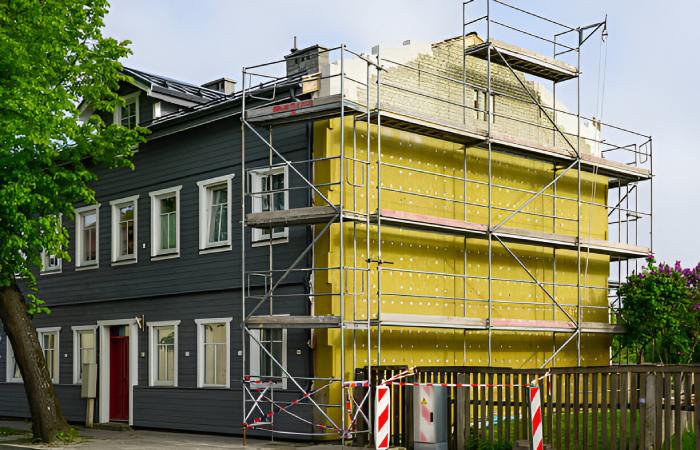
Invisible Energy Leaks Costing Hundreds (Useful Advice Wutawhelp)
According to the Environmental Defence Agency (EPA), air leaks reason for 25% to 30% of heating and cooling costs in typical homes. Detecting and fixing these leaks provides an immediate return on investment. The scent stick test allows you to detect air movement around windows, doors, and vents invisible to the naked eye.
Thermography reveals heat loss patterns that determine priorities in the waterproofing field. Many utility businesses offer a free energy audit that includes thermography. These audits allow you to choose the most cost-effective improvements for your home.
Material Selection for Different Conditions
To work effectively, waterproofing materials must adapt to the exposure conditions. The outdoor trowel shall be resistant to UV radiation and flexible to temperature changes. Indoors, you can use cheaper materials not exposed to extreme weather conditions.
The optimisation of the R value depends on the climatic zone and the existing level of insulation. Adding insulation reduces efficiency, so understanding current R values helps identify improvement priorities. Attic insulation usually provides the highest return on investment, followed by basement and crawl space upgrades.
Seasonal Weatherproofing Strategies
Preventative waterproofing prevents problems before they occur. Fall preparation includes checking and replacing burlets, inspecting the roof and gutters, and ensuring proper drainage from the foundation. Winter preparation aims to prevent freezing pipes and maintain indoor air quality.
Spring waterproofing eliminates winter damage and prepares for summer heat. Check for ice damage, clean gutters and downspouts, and check the condition of the exterior sealant. Preparing for summer includes maintaining your air conditioning (HVAC) system and scheduling exterior work.
Strategic Maintenance Calendar That Gets Used
Customizable Maintenance Based on Home Reality
Standard seasonal checklists don’t account for your family’s specific needs. A 10-year-old home requires different maintenance than a 30-year-old home. The climate zone affects weather and maintenance priorities. Homes in the north require different preparation than homes in the south.
Coordinating with family schedules increases the speed of service delivery. Scheduling major repairs during off-peak hours avoids delays and rushing. Integrating maintenance into regular workflows makes it less burdensome.
Maintenance Task Prioritisation Matrix
Highly effective maintenance tasks prevent costly problems from occurring and should be done first. Gutter cleaning prevents water damage. Replacing HVAC filters prevents overloading the system. These tasks provide immediate protection with minimal effort.
Minor maintenance tasks improve comfort and appearance but do not prevent major problems. These tasks can be deferred if time or budget is limited, without risking serious consequences.
Risk assessment helps prioritise maintenance spending. Foundation and roof problems can lead to severe damage if ignored. Aesthetic concerns like underpainting can wait without creating safety risks or costly repairs.
Customer retention through quick gains creates positive feedback that encourages further collaboration. Starting with simple, noticeable improvements builds confidence and enthusiasm when tackling more complex projects.
Emergency Preparedness: When Prevention Isn’t Enough
Complete Home Emergency Response System
The ability to control utility outages can prevent minor problems from growing into major disasters. Know where the main gas, water, and electrical switches are and how they work. Work out these procedures before you need them in a real emergency.
The optimisation of the emergency power supply should consider the regional risks and needs of households. Hurricane-prone areas require different preparation than seismic ones. Preparedness for winter storms is different from emergency measures due to summer heat.
First 24 Hours: Damage Mitigation Protocols (Useful Advice Wutawhelp)
The first 24 hours after a home emergency determine the extent of secondary damage. Water damage spreads quickly and leads to mould formation if not addressed promptly. Having emergency phone numbers saves precious time when every minute counts useful advice wutawhelp.
Insurance documentation begins immediately after insurance is issued. Take pictures of the damage before moving anything. Keep receipts for emergency repairs and temporary maintenance expenses. Many landlords lose money by not properly documenting their expenses in stressful situations.
Temporary repair methods prevent further damage while waiting for professional help. The tarp protects the damaged roof from further water penetration. Overlapping the water supply prevents flooding due to burst pipes. These simple actions can save you thousands of dollars by eliminating additional damage.
Smart Home Integration: Technology That Helps
ROI-Focused Smart Home Upgrades
Technologies for smart homes should solve real problems, not create new complexities. Water leak sensors instantly alert you to leaks, preventing severe damage. Smart thermostats remember your schedule and optimise energy consumption without sacrificing comfort.
Integration strategies should consider the technical comfort level of all family members. Complex systems understood by only one person create problems when that person is not around. Simple, intuitive controls work better than complex systems that confuse users.
Predictive Maintenance Through Technology
Smart sensors reduce the burden by detecting problems early. Temperature sensors in basements can warn of heating system failures before the pipes freeze. Moisture sensors detect potential moisture problems before mould appears.
Apps and digital systems for maintenance work effectively when integrated with existing habits rather than requiring new procedures. Systems that send reminders and track work completion help maintain consistency. The key to success is verdict tools that enhance the organisation, not complicate the process.
Future technology trends will continue to change the approach to home maintenance. Internet of Things (IoT) devices will provide more granular system monitoring. Artificial intelligence will more accurately predict the need for maintenance. However, the core principle remains: technology should simplify service, not complicate it.
Building Long-Term Home Stewardship Habits
The Psychology of Consistent Maintenance (useful advice wutawhelp)
Habit accumulation links new maintenance procedures to existing ones, increasing the likelihood of them becoming entrenched. Checking your HVAC filters when you pay your monthly bills creates a natural reminder system. Inspecting gutters during seasonal maintenance combines maintenance with tasks already being performed.
Motivational strategies are helpful when the initial enthusiasm wears off. Keeping track of maintenance outcomes provides positive reinforcement. Tallying the funds saved through preventive maintenance provides real motivation to keep going.
Family involvement distributes responsibilities and teaches valuable skills. Age-appropriate maintenance duties help children learn about housekeeping and reduce the burden on adults. Maintenance skills training prepares family members to solve problems independently.
Scaling Skills and Confidence (useful advice wutawhelp)
Gradual skill development moves naturally from basic to advanced. Start with simple tasks that build confidence and basic skills. Success in basic maintenance breeds enthusiasm for more complex projects.
Knowing when to hire professionals instead of trying to do everything yourself allows you to avoid costly mistakes and safety risks. Complex electrical work, plumbing overhauls, and structural alterations often require professional expertise. Homeowners usually do simple repairs, scheduled maintenance, and minor improvements.
Building relationships with vetted contractors provides resources for projects beyond your level of expertise. Recommendations from neighbours and friends usually yield better results than random internet searches. Establishing relationships before emergency services are contacted ensures a more prompt response and higher quality of care.
Your Transformation From Homeowner to Home Steward
The journey from reactive owner to proactive home manager doesn’t happen overnight, but the benefits accrue with years of consistent care. Every little maintenance job prevents major problems in the future. Every well-understood system provides confidence and efficiency.
90-Day Action Plan for Immediate Results: (Useful Advice Wutawhelp)
Days 1–30: Development of Core Procedures
- Creating a maintenance tracking system
- Creating the necessary tooling
- Mapping the switchboard and determining the location of connection points
- Schedule your first seasonal maintenance jobs
Days 31–60: Increase Customer Retention
- Performing the first stage of preventive maintenance
- Tackling minor repairs before they become serious
- Exploring contractors for future projects
- Documentation of maintenance activities
Days 61-90: Expand capabilities
- Implementation of the first large project with their own hands
- Optimisation of maintenance programs based on initial Experience
- Planning projects and improvements for the next quarter
- Maintenance budget estimation and adjustment
The long-term goal is to create a home that will pay for itself through systematic care and the integration of innovative technology. Predictive maintenance is replacing reactive maintenance. Scheduled improvements replace emergency repairs. Knowledge replaces anxiety when problems arise.
WutaWHelp lays the groundwork for this transformation, but long-term success requires persistence and constant learning. Your home is perhaps your most significant investment. The care it deserves will protect that investment by creating a more comfortable, safe, and enjoyable living environment.
Home care is not about striving for perfection but progress, preparation, and peace of mind. Start small, develop sustainable habits, and enjoy the confidence from genuinely understanding and caring for your home.